
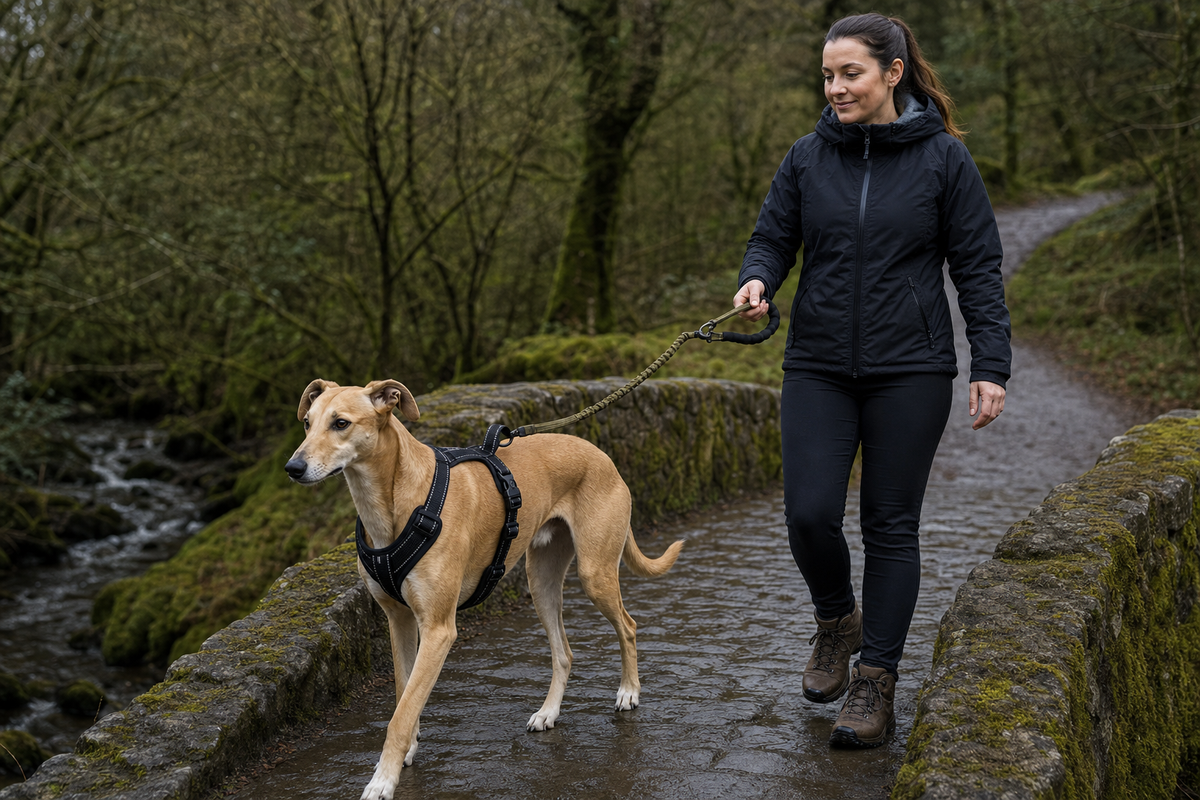
Struggling with pulling, distractions or busy walking routes? These practical steps can help create calmer, more manageable walks with your dog.
A good dog walk should feel enjoyable for both ends of the lead. Yet pulling, sudden changes of direction and busy environments can quickly make an ordinary outing feel stressful.
Equipment alone will not replace consistent training, but the right setup can make it easier to communicate with your dog and maintain control when distractions appear.
Begin with the right fit
A collar or harness that is too loose may move around or allow your dog to slip out. One that is too tight can cause rubbing and discomfort.
Before ordering or adjusting walking equipment, measure your dog carefully. Follow the size guide for the individual product rather than choosing only by breed or weight.
For a collar, you should generally be able to fit two fingers comfortably between the collar and your dog’s neck. Harness straps should sit securely without restricting normal movement.
Check the fit regularly, particularly with puppies, dogs that have recently changed weight or dogs with thick seasonal coats.
Choose equipment for the situation
Different walking environments may require different levels of control.
A standard neighbourhood walk may only require a dependable collar and lead. Busier routes, training sessions or longer outdoor walks may benefit from a padded harness with an integrated control handle.
The All-Weather Reflective Control Harness includes adjustable straps, padding and a built-in handle for closer guidance when required. Its reflective detailing can also make your dog easier to notice in reduced light.
For dogs that pull suddenly, the Shock-Absorbing Bungee Lead uses an elasticated section to soften abrupt jolts and changes in pace.
Keep the lead relaxed where possible
Constant tension can make walks uncomfortable and may encourage some dogs to continue pulling against the resistance.
Where the environment allows, aim for a lead that remains relaxed while still giving you enough control to respond quickly. Reward your dog when they return their attention to you or walk without pulling.
Keep training sessions short and repeat them regularly. Consistency is usually more useful than attempting to correct every behaviour during one long walk.
Reward behaviour at the right moment
Timing matters when reinforcing good walking habits.
Keep small treats somewhere accessible and reward your dog immediately after the behaviour you want to encourage. This might include:
- Looking back at you
- Walking beside you
- Remaining calm around another dog
- Responding to their name
- Returning when called
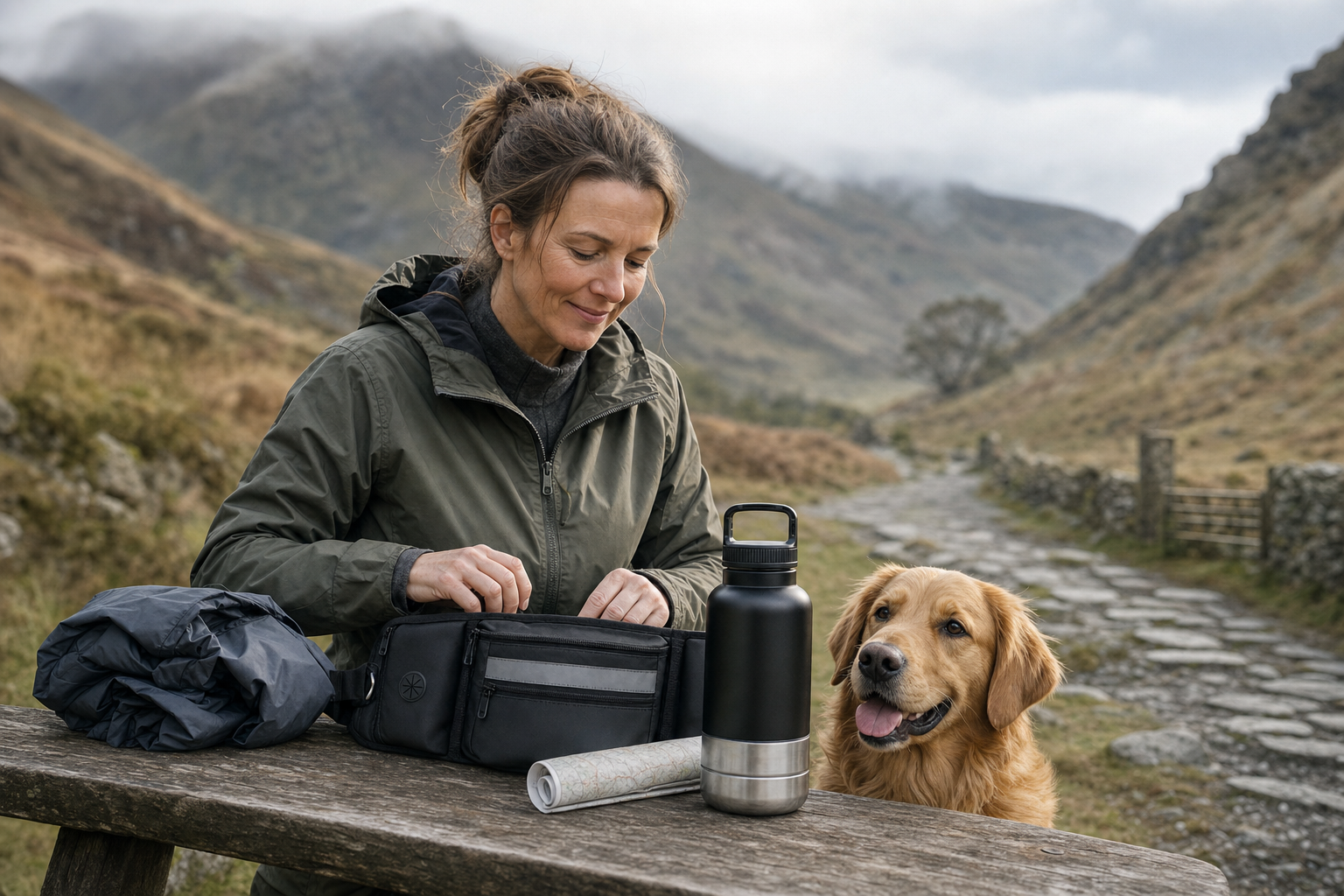
A waist-mounted treat pack keeps rewards close without forcing you to release or reposition the lead.
Create distance from distractions
Not every dog is comfortable around traffic, crowds, unfamiliar dogs or sudden noises.
Forcing your dog closer to a trigger can increase stress. Instead, create enough distance for them to remain responsive and reward calmer behaviour.
Crossing the road, stepping into a quieter area or turning onto another route can be more effective than continuing into an increasingly difficult situation.
Use visibility to your advantage
Dark clothing, poor weather and low light can make both you and your dog harder for other road users to see.
Reflective stitching, harness panels and visible accessories can improve recognition when light reaches them. They should be used alongside sensible route choices and appropriate lighting rather than relied upon alone.
Where possible, use well-lit paths and avoid narrow roads without pavements during darkness.
Inspect equipment before each walk
Regularly check:
- Buckles and attachment points
- Lead clips
- Reflective stitching
- Adjustment sliders
- Fabric for tears or heavy wear
- Metal fittings for damage or corrosion
Replace damaged equipment rather than waiting for it to fail during use.
Better walks are built gradually
Calmer walking habits take time. Use secure equipment, reward the behaviour you want to see and choose environments where your dog can succeed.
Small improvements can make everyday routes feel more comfortable, predictable and enjoyable for you both.

Leave a comment
This site is protected by hCaptcha and the hCaptcha Privacy Policy and Terms of Service apply.